The Filipino Language and Culture Education in Calgary is one of the priority programs of the Philippine Cultural Center Foundation (PCCF).
The PCCF, together with Alberta Education, the Calgary Catholic School Board, Edmonton Catholic School Board, and the Filipino-Canadian Saranay Association of Edmonton, developed a three-year curriculum that allows students to learn more about the Filipino language and culture. This allows high school students to take courses for 5 credits each course.
Students in elementary and junior high taking the Filipino Language and Culture at PCCF will have the opportunity to write the Filipino 35 Course Challenge exam when they get to high school. This option course is equivalent to 15 credits.
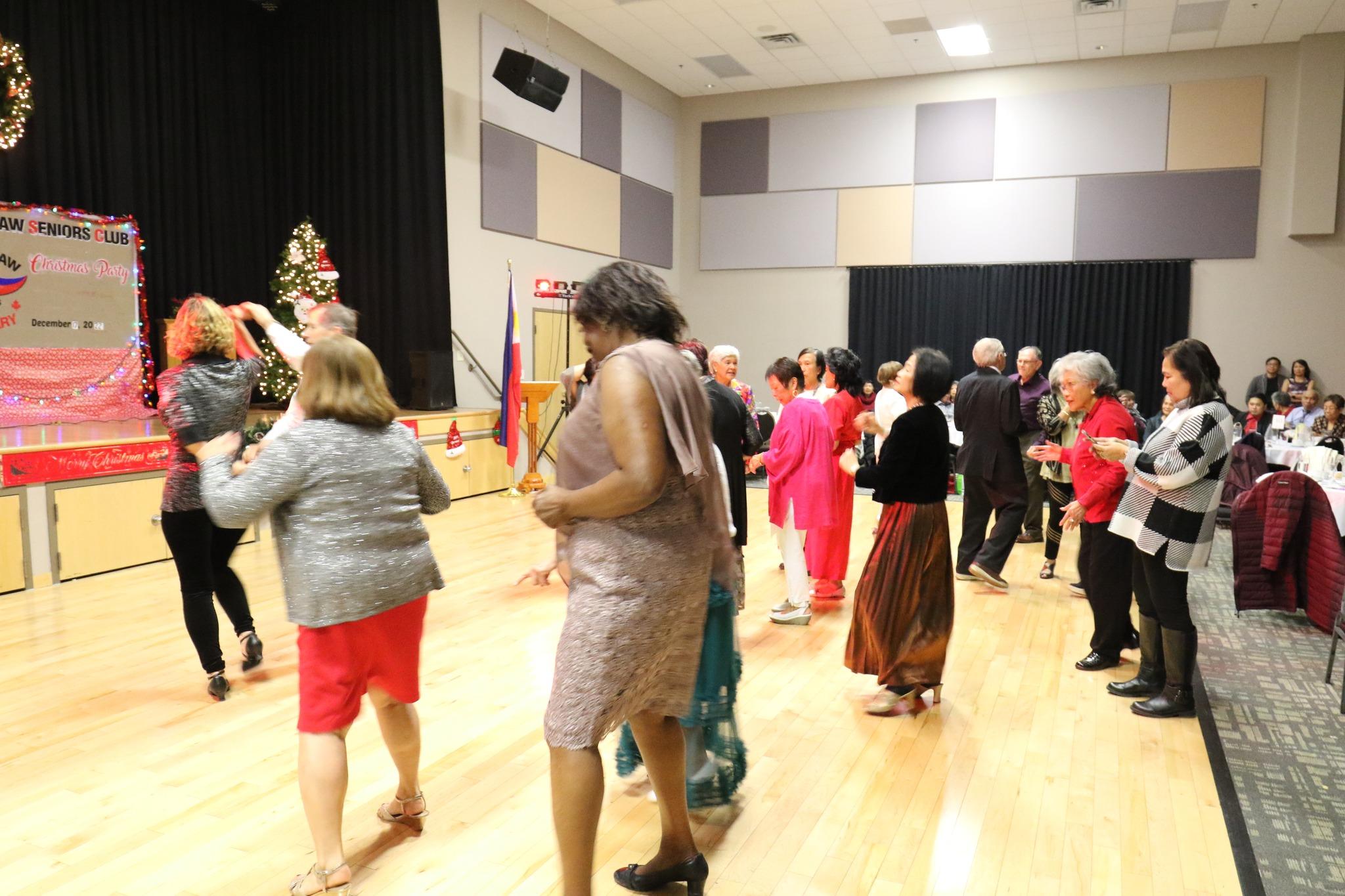
In addition to learning the Filipino language, students also experience their culture through active participation in joining the rondalya and the Filipino youth and seniors’ dance groups.
PCCF is a member of the Southern Alberta Heritage Language Association (SAHLA). Through SAHLA’s consortium and partnership with the University of Calgary and Mount Royal College University, our teachers are funded to receive training in pedagogical functions and methodologies in second-language teaching.
Goals
- To develop the student’s ability to speak, read, and write the Filipino language fluently.
- To learn about the Filipino culture through art, music, dance, history, sport, and recreation.
- To deepen our children’s sense of identity and self-worth.
- To build character, leadership, and social skills.
- To foster global citizenship in the community and industry.
- To enrich the school’s library as a resource center for the community.
Benefits
Learning a second language can give your child:
A competitive edge in the job market.
A lifelong ability to communicate with more people.
Enhanced intellectual functioning of both verbal and non-verbal intelligence, creating a more flexible thinker.
Improved listening skills.
A deeper understanding and pride in one’s own cultural background.
Increased understanding and respect for people of other cultures.
Improved overall school performance.
Broader educational and career opportunities.